IN FOCUS
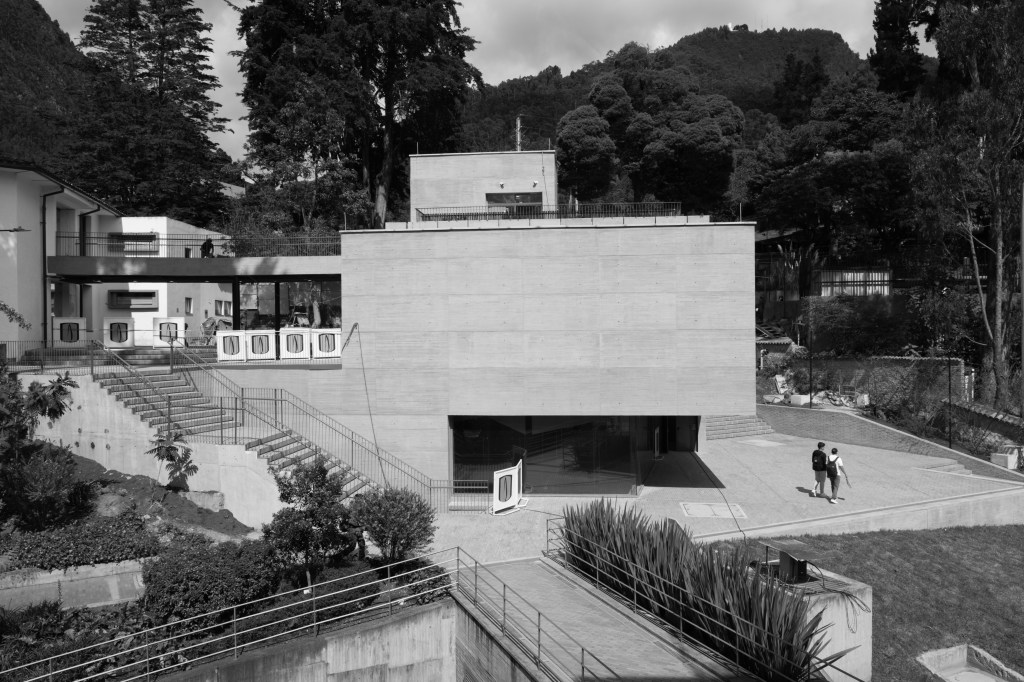
Caja de Música – Uniandes
INAUGURATION – Our building “Caja de Música” was inaugurated at Universidad de los Andes on September 27th. Kudos to my partners Carolina Jaimes and Juan López.
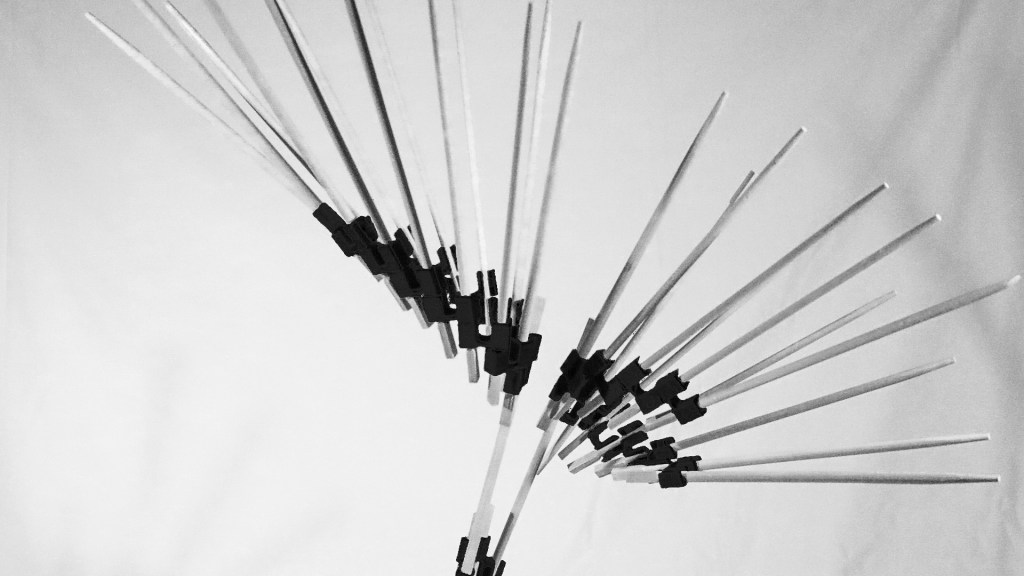
Hashi (箸)
During my residency at OCAD U, I designed a modular system using chopsticks and helpers, repurposing these everyday items into affordable, creative toys.
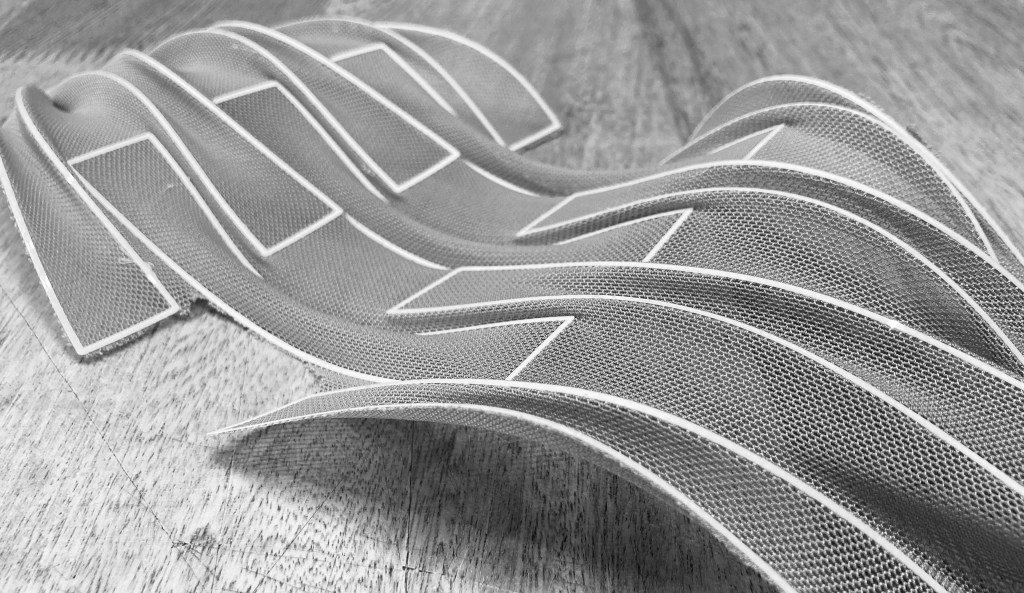
4D Textiles
At FaCrea we are exploring the potential of 3D printing on flexible fabrics, creating dynamic, adaptive designs that respond to external forces for fashion and architecture.
ISSUES
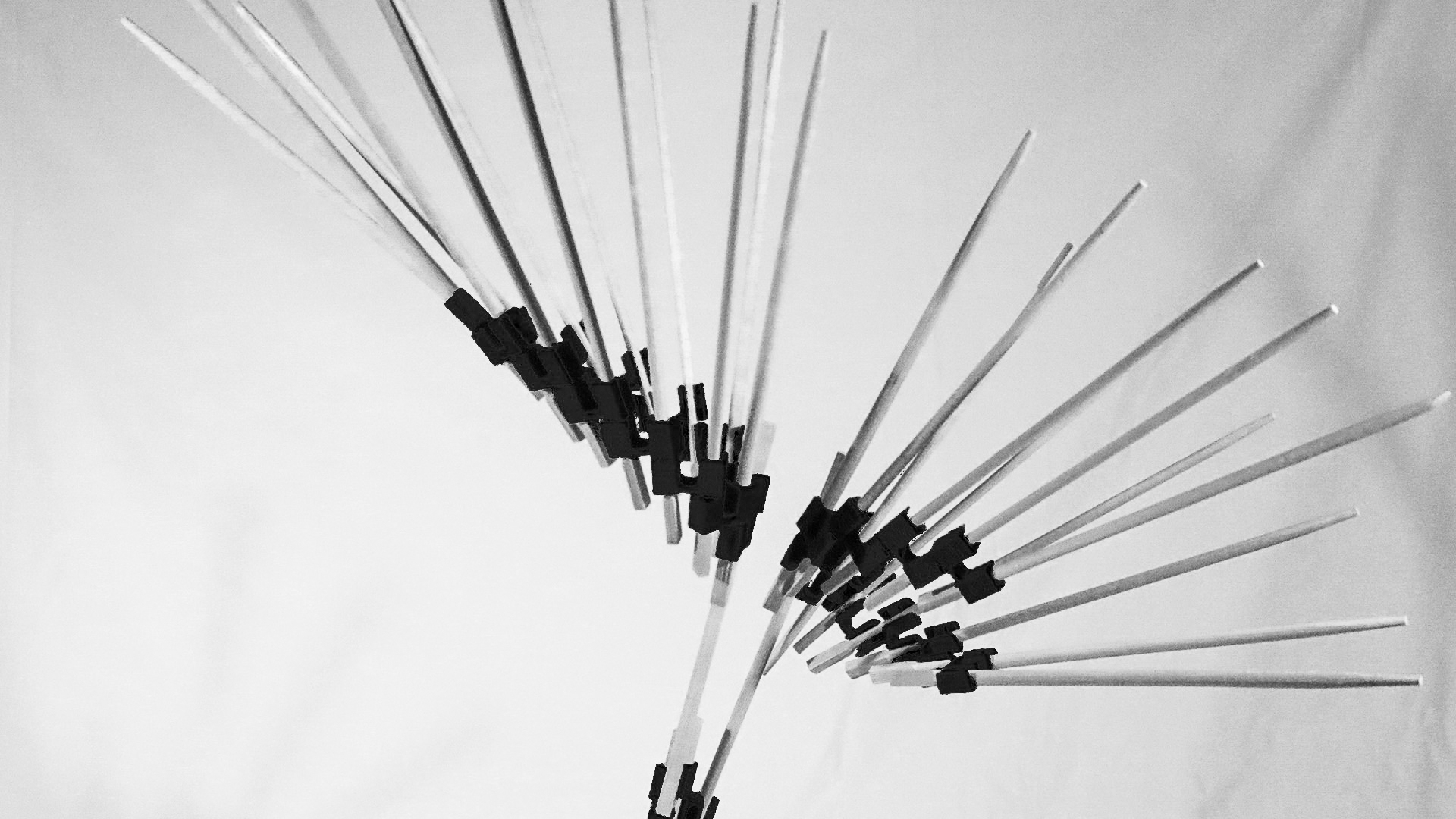
ARCHITECTURES
A Framework for Material and Creative Practices
“Architectures” could serve as an expansive, multidisciplinary framework where each material, technology, and artistic exploration finds its place. Rather than limiting “architecture” to buildings and physical spaces, “architectures” becomes a way of thinking—a holistic approach to creating, structuring, and transforming different elements of the physical and conceptual world. Under this umbrella, architectures is a term
that acknowledges and celebrates the diversity of creative practices—not only constructing spaces but also constructing experiences, materials, narratives, and relationships. Each of your practices—whether 3D-printed ceramics, modular systems, or public installations—becomes part of a broader network of creative architectures, each contributing to a unique aspect of how we shape and interact with our environment.
1. Material Architectures This branch of your “architectures” focuses on the material itself as a foundation for exploration. It encompasses practices like modular origami, adaptive materials, and 3D-printed ceramics. Here, material becomes more than just a building block—it’s an active participant that shapes the outcome of each practice. You could explore how different materials “speak” and “behave,” using their unique properties to
create adaptable structures and sculptural forms. This idea could also include sustainable material architectures, where the transformation of recycled or found materials becomes part of the narrative. For instance, you could develop a line of projects or installations that focus on exploring the life cycle of materials from raw to repurposed to refined—each iteration adding to the evolving story of “architectures.”
2. Technological Architectures In this part of the umbrella, the focus is on how technology intersects with traditional and contemporary material practices. This could involve digitally fabricated modules, parametric design, and adaptive systems that respond to environmental conditions or user interactions. Technological architectures are about using computational tools to augment creativity,
where technology becomes a collaborator rather than just a tool. This could encompass your work with 4D textiles, which merges material exploration with advanced manufacturing technologies, pushing boundaries of what’s possible in dynamic and responsive design.
3. Artistic Architectures This branch is dedicated to your artistic explorations—treating each artistic piece or public installation as an “architecture” of its own. It’s about constructing experiences, evoking emotions, and fostering connections between people and their surroundings. Under artistic architectures, your work with public art, like modular or adaptive installations, serves as an exploration of how materiality and form contribute to an artistic expression that transforms spaces and engages communities.
It also involves projects like OEdipus, where your collaboration with your mother becomes an “architecture of inheritance,” exploring how artistic practices and creativity can be passed down, transformed, and reimagined across generations.
4. Pedagogical Architectures Another essential pillar is educational or pedagogical architectures—creating systems of knowledge-sharing that revolve around creativity, material experimentation, and interdisciplinary exploration. This could mean establishing a laboratory for creative material practices, where students, artists, and designers are encouraged to experiment, collaborate, and innovate.
In this space, “architectures” refers to how educational structures can foster creativity and growth—where the boundaries between art, design, technology, and craftsmanship blur, and participants are empowered to explore without constraints. It’s about constructing a culture of collaborative learning and material discovery.
5. Community and Social Architectures Finally, there’s an element of community and social engagement under your concept of architectures. This part explores how material practices can be used to foster community connections and create socially meaningful projects. It could involve using public installations or community-driven design workshops to engage people in creative processes—giving them agency and involving them in the making of art and space.
This aspect of architectures emphasizes that we’re not just constructing physical structures; we’re constructing social relationships and a shared sense of ownership and creativity. It acknowledges the social potential of materials and technology in building not only environments but also communities of practice.
 Alejandro Puentes Amézquita | Architectures